
- Itinerary high point
- 8,848.86 m Summit objective, if reached.
Nepal · Everest · 8,848.86 m
A serious ambition. A carefully built expedition.
An Everest expedition begins long before base camp. We bring together preparation, planning, experienced leadership and local logistics to develop a programme around your climbing history and ambitions.
We work with individual climbers and private teams, from the first conversation about readiness to the detail of the expedition itself. Your experience, preferred level of independence and support, available time and longer-term objectives shape the proposal.
Build the expedition around the climber
Preparation, leadership and logistics
Experience that prepares you for Everest
Fitness matters, alongside proven ability to manage yourself on a long, cold expedition. We look at the heights you have reached and slept at, how you responded to altitude, the terrain you climbed and the support you used.
Glacier travel, crampon technique, ascending and descending ropes, efficient equipment handling and self-management at high camps need to be established before the expedition. Preparation climbs can develop these skills and reveal how you work within a team.
For climbers building towards Everest, our Everest mentoring programme provides a starting point for discussing a longer preparation pathway. We can connect the expedition with a wider programme of mountain experience and focused training.
A clear objective, with room for sound decisions
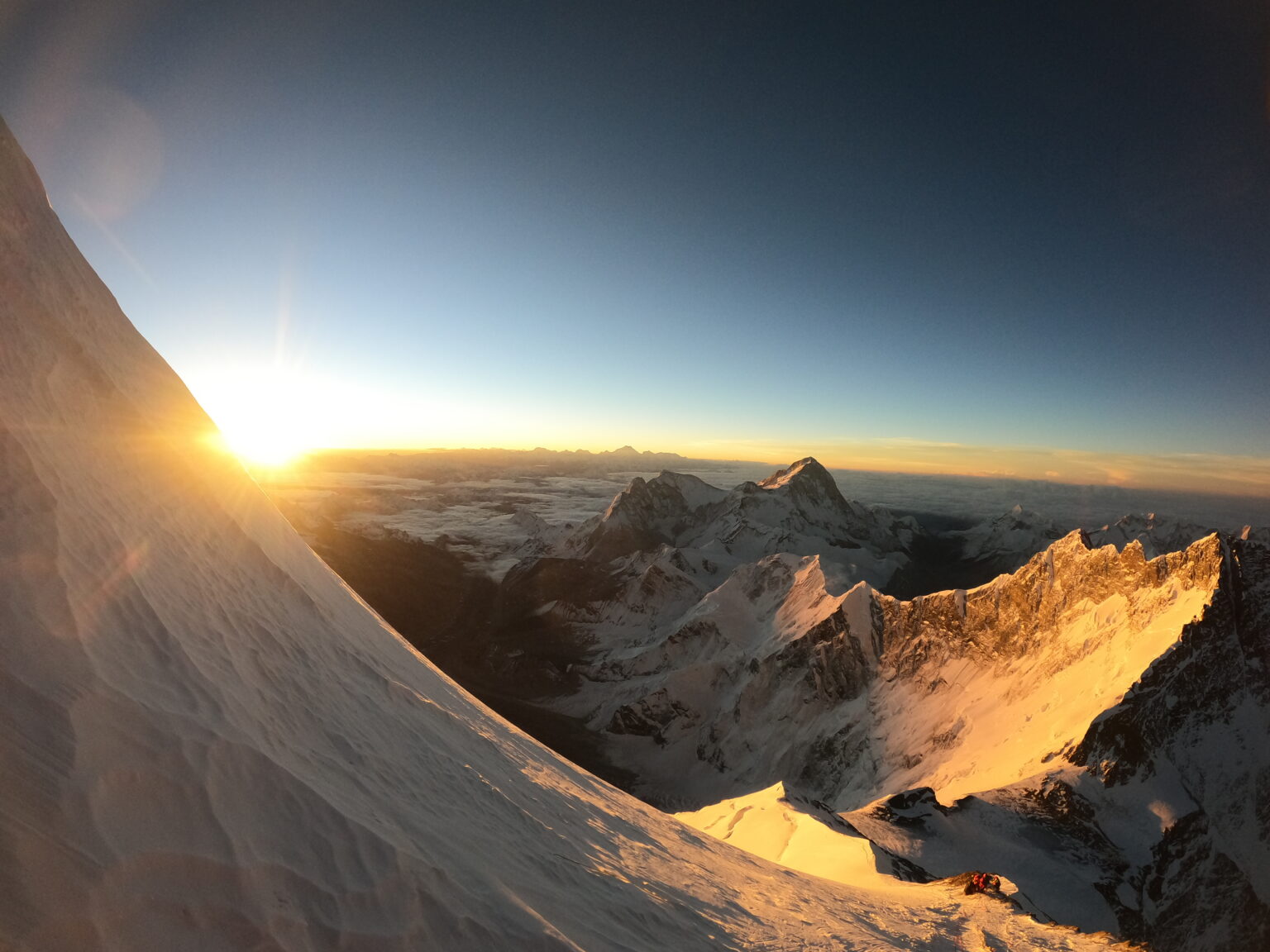
The summit objective is Everest at 8,848.86 m. Reaching it depends on conditions, acclimatisation, team capability and the opportunity to climb and descend within the agreed limits.
Weather, route conditions and expedition progress can change the plan. Turnaround decisions and the possibility of returning without a summit form part of the preparation from the outset.
From our expedition archive
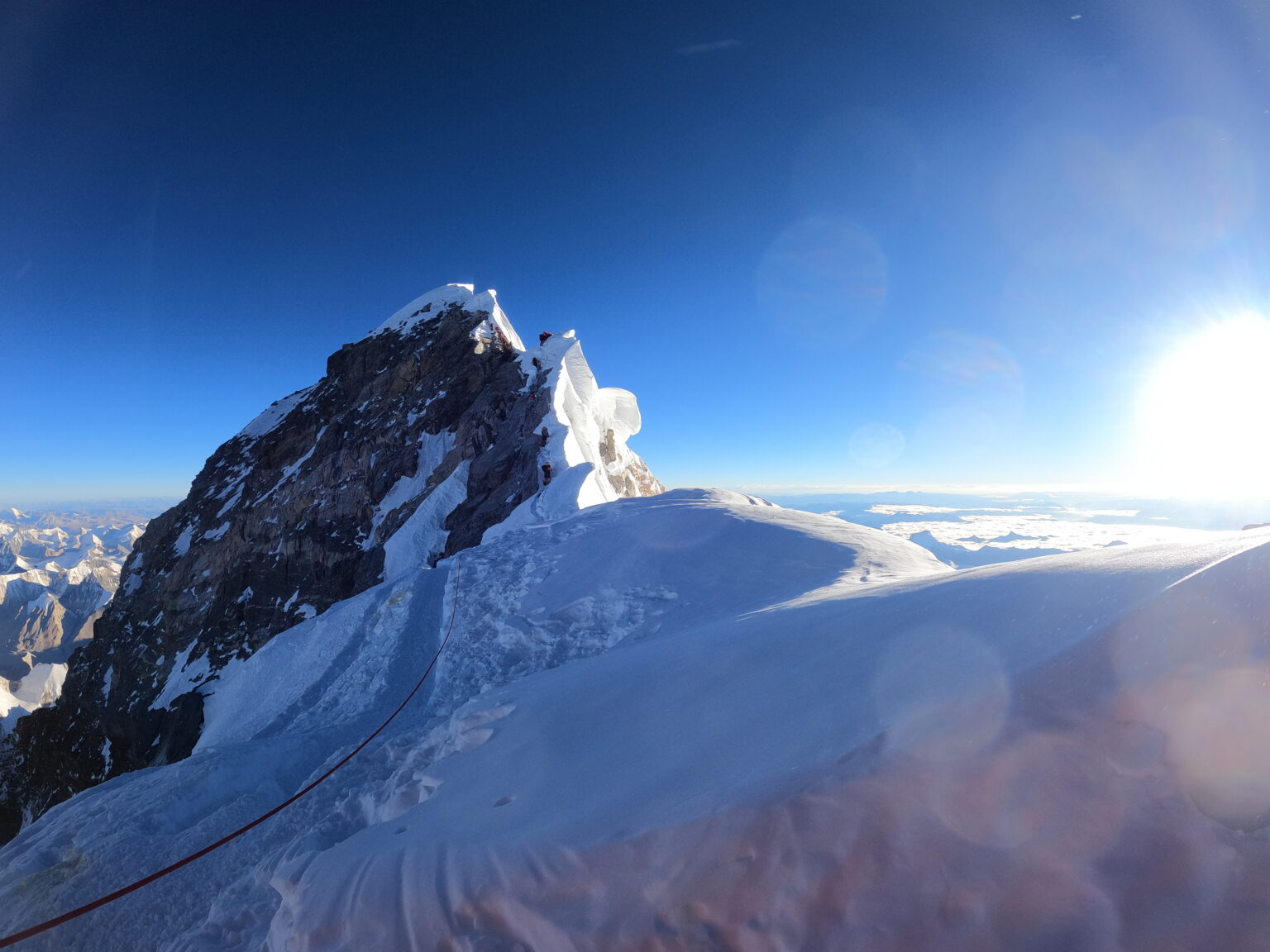
On the summit
From our expedition archive
On the ice
A climber tackles a short step in glacier ice. This archive clip gives a sense of the movement and ropework involved in expedition preparation.
An adaptable outline
From preparation to the climb
- Preparation and expedition design. Review experience, develop the preparation programme and agree the route, support and responsibilities.
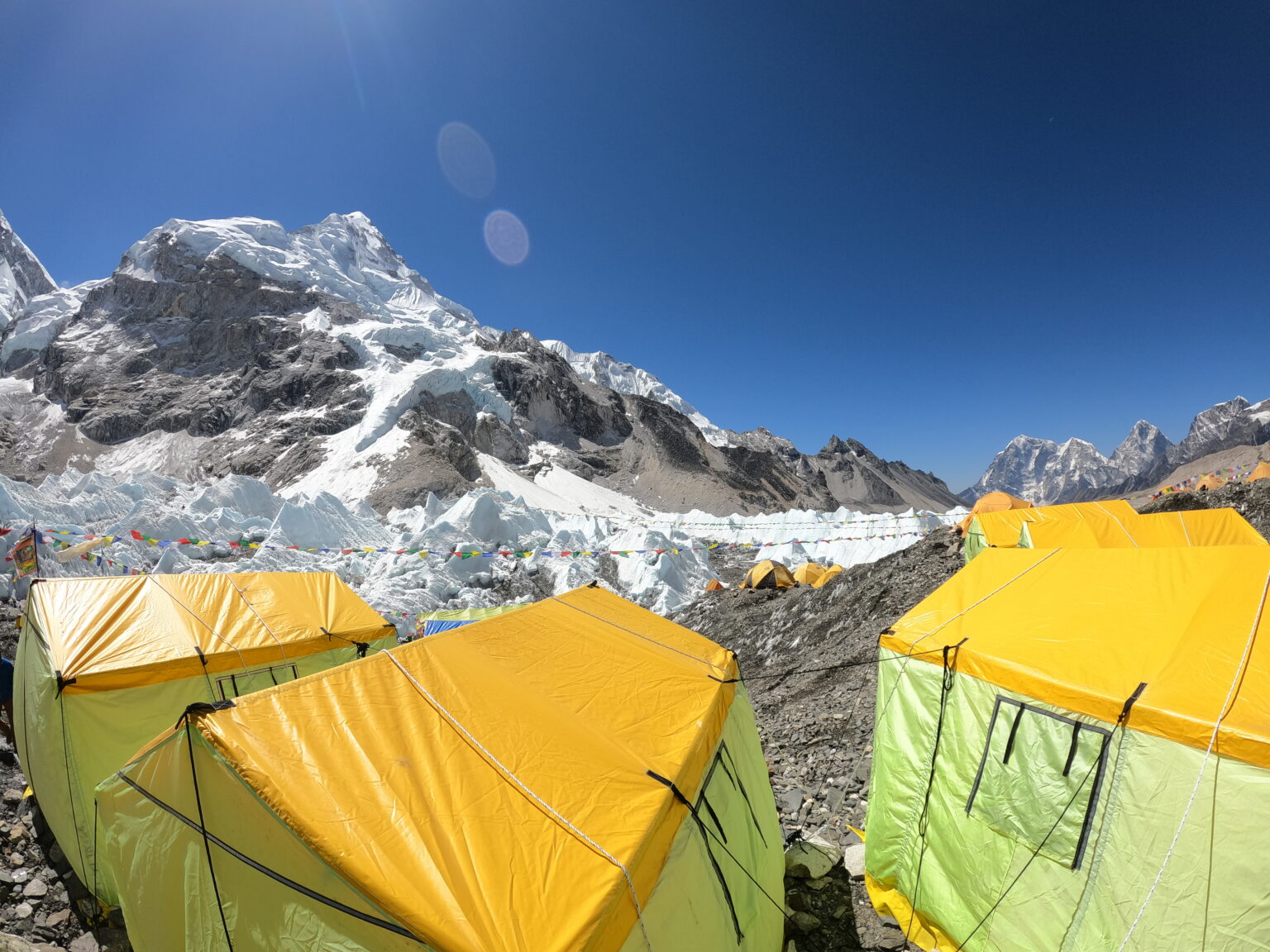
- Arrival and approach. Coordinate arrangements in Nepal, check equipment and approach base camp with deliberate acclimatisation.
- Rotations and recovery. Develop acclimatisation, establish the agreed high-camp arrangements and assess readiness as the expedition progresses.
- Summit opportunity. Plan around the weather, route conditions, the team’s progress and the resources needed for the descent.
- Descent and return. Clear equipment and waste, coordinate the return and retain contingency for delays.
The route, season, total duration and rotation strategy are agreed for each programme. The Nepal-side approach provides the context for this page; any alternative route is a separate planning discussion with its own access and logistical requirements.
Know exactly what is being arranged
Your proposal sets out the climbing support ratio, leadership and staffing roles, camp services, personal and shared equipment, and oxygen equipment, quantities and reserves. Medical provision, communications, insurance, emergency funding and the practical limits of rescue are addressed together.
Local connections and logistical capability matter most when they are translated into clear responsibilities and workable arrangements. We coordinate the programme with the relevant partners and confirm current access, permissions and services for the intended expedition.
Travel arrangements are reviewed against current local information and Nepal travel advice. Inclusions, exclusions and responsibilities are confirmed in the individual proposal.
Tell us where you are starting from
Share your climbing history, previous altitude experience, intended season, party size and preferred support. We can then discuss an Everest expedition and the preparation that will give it a sound foundation.