
- Itinerary high point
- 5,199 m Batian: 5,199 m. Nelion: 5,188 m.
- Technicality
- 4 / 5 Sustained multi-pitch rock climbing and repeated abseils; traverse demands depend on conditions.Sustained roped climbing / glacier work
- Endurance
- 4 / 5 Long climbing and descent days at altitude; efficiency and reserves are important.Demanding days across an extended itinerary
Climbing skill and sustained effort are separate demands. We assess recent multi-pitch experience, abseiling, mountain self-management and altitude exposure against the actual route.
What do the grades mean?
Technicality
- Walking
- Rough ground / simple hands-on sections
- Basic scrambling or snow / ice techniques
- Sustained roped climbing / glacier work
- Advanced sustained technical climbing
Endurance
- Short / low effort
- Moderate days
- Long days / sustained multi-day effort
- Demanding days across an extended itinerary
- Very sustained expedition effort
Technicality describes movement and climbing techniques. Endurance describes sustained physical effort. Neither is an altitude rating; a route-specific explanation is shown where available.
Kenya · Technical climbing · Batian & Nelion
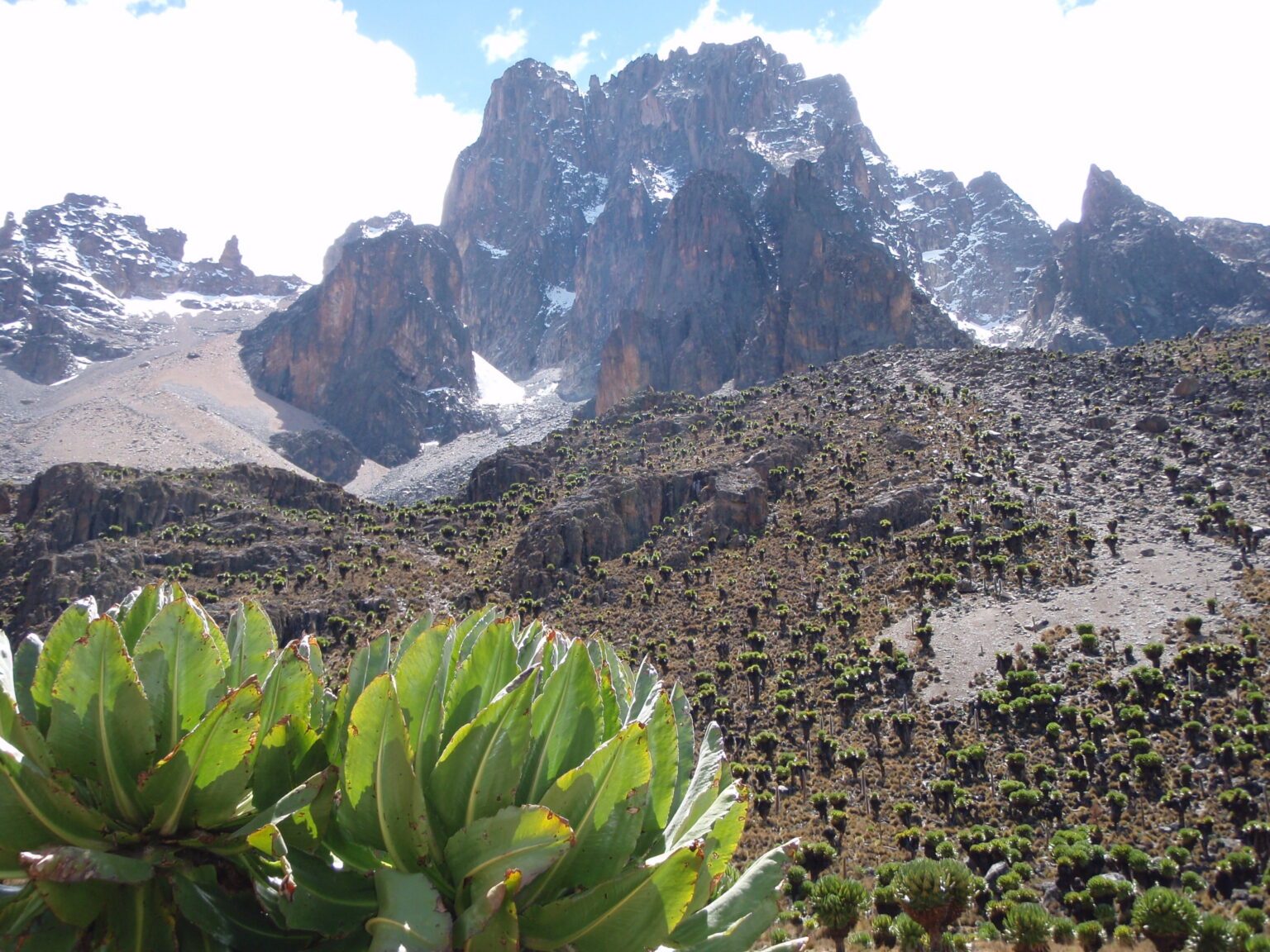
High mountain rock climbing on Mount Kenya
Climb the rocky towers of Africa’s second-highest mountain with a programme built around your experience and chosen summit. Batian and Nelion combine sustained climbing with the demands of altitude, exposed terrain and a substantial descent.
We plan for individuals and private climbing teams, bringing together preparation, the approach, acclimatisation and the right climbing support. Batian, Nelion and a traverse between them are agreed as distinct objectives.
Choose the climb
Two principal summits, several ways to approach them
Route and season are chosen together. Southern and northern faces come into condition at different times, so we discuss the intended line before settling dates. Conditions on the approach and climb are reviewed with the mountain team.
Bring climbing experience that transfers to the mountain
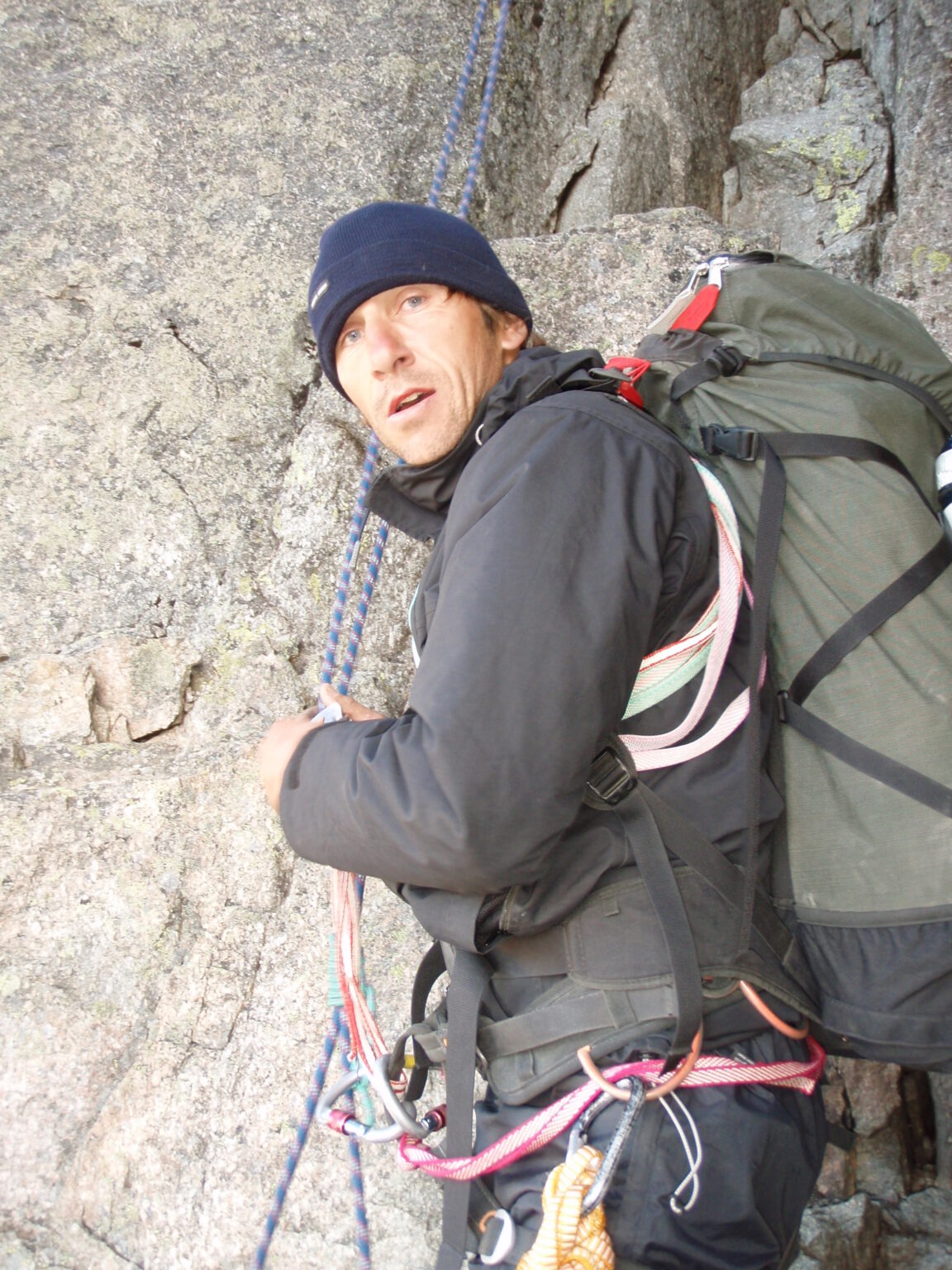
We review recent multi-pitch climbs, the grades you can second confidently, your ropework and abseiling experience, and how you manage long mountain days. Efficient movement, equipment organisation and clear communication matter when climbing at altitude.
Prepare for exposed climbing, repeated abseils, cold starts and carrying your mountain equipment. We help you focus training on the movement, ropework and endurance your chosen route demands.
Where useful, tailored training and preparation climbs can build confidence before the expedition. The team, climbing support ratio and individual responsibilities are agreed for the chosen objective.
Plan the descent as carefully as the climb
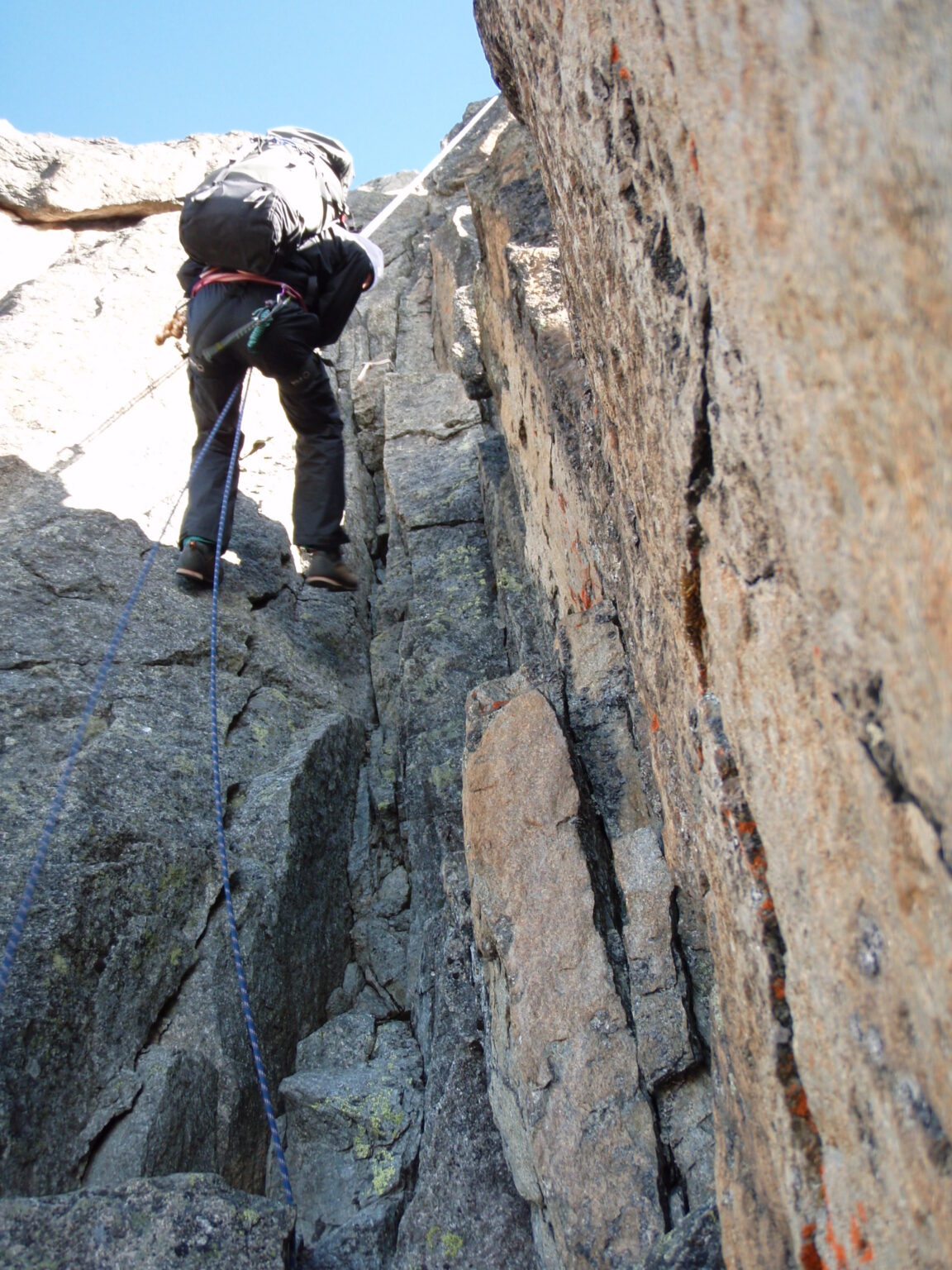
The objective includes returning from the mountain. Route-finding, abseils, changing weather and the possibility of finishing late all affect the plan.
We agree realistic turnaround decisions, retreat options and any overnight or bivouac strategy. Availability of small mountain shelters is checked; a place in a summit hut is not assumed. The traverse is attempted only when the team and conditions support the full journey.
An adaptable expedition outline
Approach, acclimatise, climb and return
- Arrival and preparation. Meet the team, review equipment and coordinate the agreed arrangements in Kenya.
- Approach the mountain. Choose an approach through Naro Moru, Sirimon or Chogoria that works with the climbing plan and acclimatisation.
- Develop acclimatisation. Use suitable mountain days, route familiarisation or additional objectives to assess progress before the main climb.
- Climbing opportunity. Attempt the agreed summit and route, with weather, conditions, timing and descent resources informing decisions.
- Descend and recover. Return by the agreed exit, retaining contingency and time before onward travel.
Duration, overnight stops and reserve days are designed for the team. The final programme specifies guiding, porter support, camping or hut arrangements, equipment, communications and emergency planning.
Build a wider African mountain programme
Combine Mount Kenya with Kilimanjaro, add a separately planned safari, or make it a stage in an African Big Five mountain expedition. We coordinate recovery, transfers and the different demands of each objective.
For a walking-focused ascent, see the separate Point Lenana trekking programme. Point Lenana is a different summit from Batian and Nelion, with its own preparation and mountain demands.
Start with your climbing history
Tell us which summit or route interests you, your recent climbing, previous altitude experience, likely dates and party size. We can then discuss a Mount Kenya programme and any useful preparation.