
- Itinerary high point
- 8,080 m GI 8,080m; GII-only objective 8,035m.
- Endurance
- 5 / 5 Prolonged high-altitude expedition effort, with an extended approach and acclimatisation rotations.Very sustained expedition effort
Glacier travel, snow and ice climbing, acclimatisation and prolonged expedition effort all require preparation. The final itinerary and support are agreed for your team.
What do the grades mean?
Technicality
- Walking
- Rough ground / simple hands-on sections
- Basic scrambling or snow / ice techniques
- Sustained roped climbing / glacier work
- Advanced sustained technical climbing
Endurance
- Short / low effort
- Moderate days
- Long days / sustained multi-day effort
- Demanding days across an extended itinerary
- Very sustained expedition effort
Technicality describes movement and climbing techniques. Endurance describes sustained physical effort. Neither is an altitude rating; a route-specific explanation is shown where available.
Pakistan · Karakoram · Two 8,000m objectives
Gasherbrum I, Gasherbrum II or both
Gasherbrum I and Gasherbrum II share a base camp beneath two exceptional Karakoram objectives. Choose GI at 8,080m, GII at 8,035m, or build a combined expedition with one approach and a common base-camp operation.
We work with individual climbers and private teams to shape the whole project: preparation, logistics, time on the mountain and the journey home. Our Gasherbrum II expedition archive dates to 2011, and the photographs here reflect the scale and character of that undertaking.
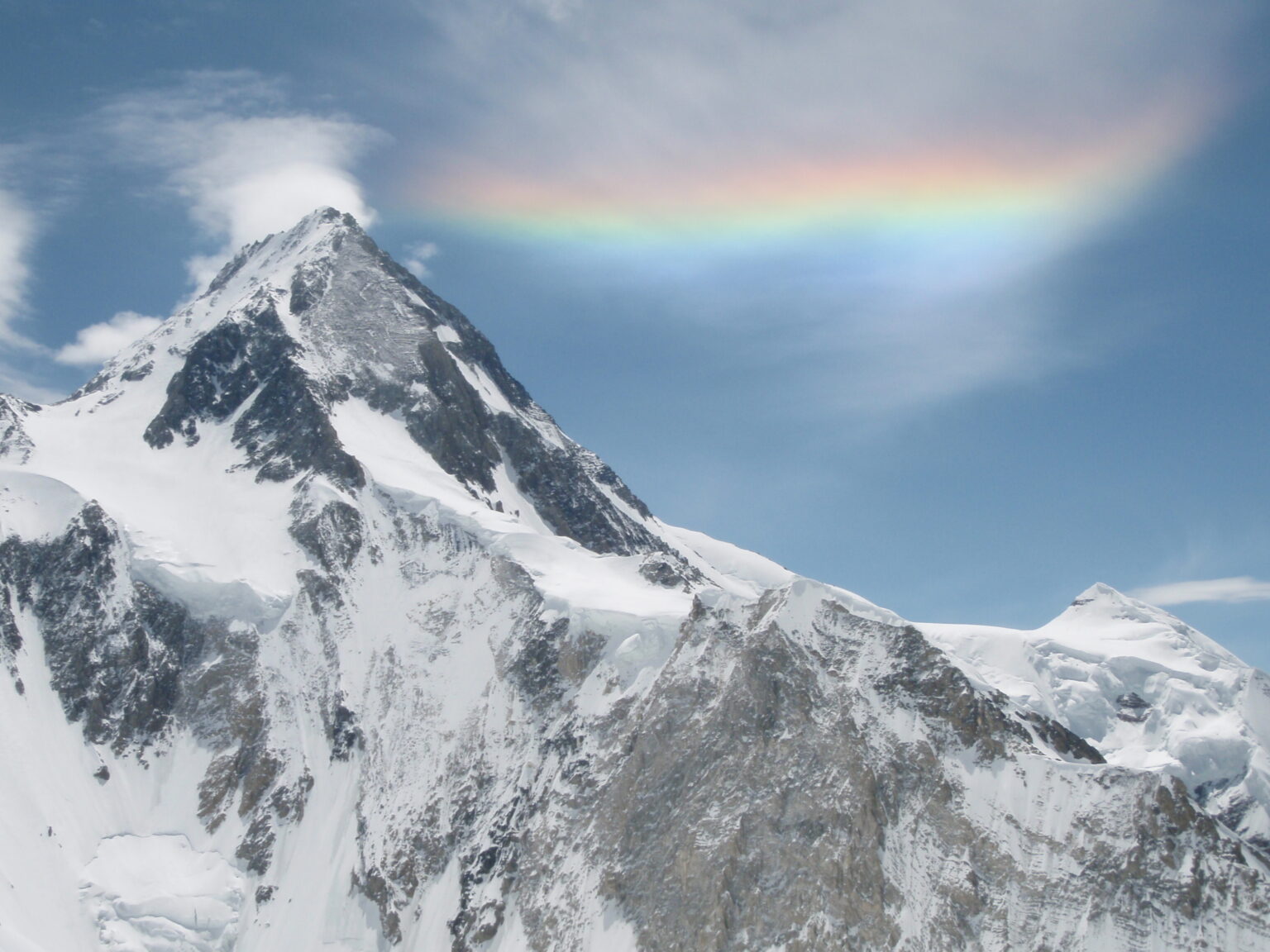
One mountain or a combined expedition
Three ways to approach the Gasherbrums
The common base camp brings real logistical advantages. Each peak still needs its own permit coverage, route assessment, high-camp strategy and climbing resources. We allow time to recover between objectives and keep the plan flexible if only one mountain has a suitable window.
Shape the project
Planning, preparation and expedition support
A serious high-altitude objective
The right experience matters
Both objectives demand glacier travel, snow and ice climbing, repeated rotations and prolonged time at altitude. A combined expedition adds cumulative fatigue and requires enough time and resources to manage two distinct climbs.
Suitable preparation includes experience moving efficiently in crampons, managing ropes and climbing systems, and looking after yourself during sustained cold and demanding expedition days. Previous high-altitude expeditions help us assess how the objective fits your background; a list of summits alone does not establish readiness.
We discuss your recent climbing in detail, including how independently you have operated and what support you used. Technical competence, acclimatisation and endurance all need attention when designing the programme.
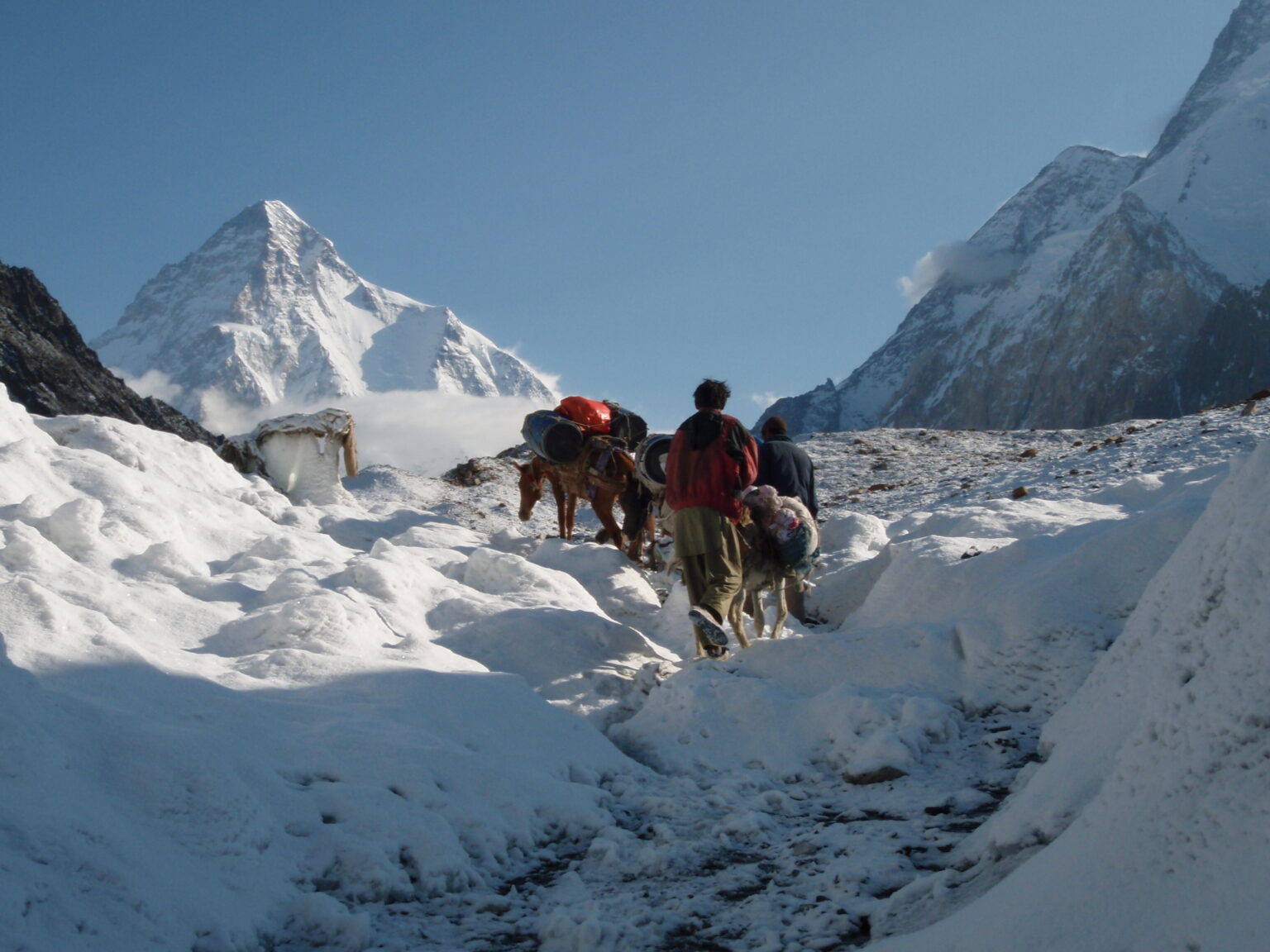
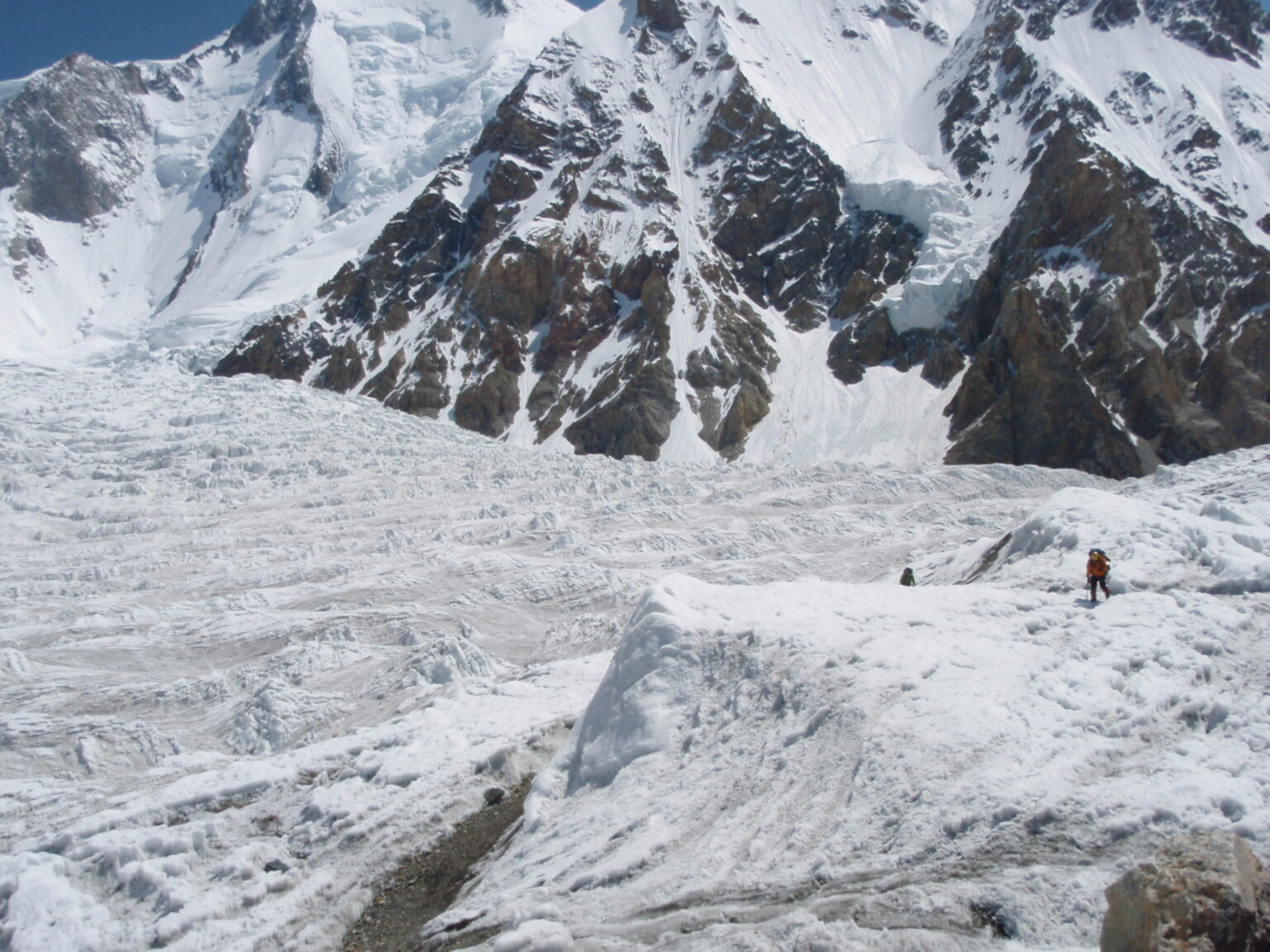
The expedition outline
Allow time for the whole journey
- Arrival and approach logistics. Meet in Pakistan, complete the agreed arrangements and travel to the expedition’s staging point in Baltistan.
- Trek to base camp. Approach through the Baltoro and Concordia region towards the Gasherbrum mountains, allowing time for acclimatisation and the demands of the glacier journey.
- Rotations and preparation. Establish the agreed camp strategy, develop acclimatisation and assess the team and route conditions.
- Summit opportunities and recovery. Plan the chosen mountain around suitable weather and team readiness. For the combination, recover at base camp, reassess the second objective and retain enough time for its ascent and descent.
- Clear the mountain and return. Recover equipment, manage waste, trek out and keep contingency for onward travel.
This is a planning outline. The duration, camp positions, transport and climbing schedule are developed for your expedition and adjusted to conditions.
Support defined for your expedition
We agree the approach to high-altitude staffing, oxygen if used, equipment, weather information, communications and medical support as part of the design. Emergency arrangements, rescue limitations, insurance and funding responsibilities are considered together.
Permits, access and travel routes require current confirmation. We check the relevant Pakistan travel advice and local requirements when developing the programme.
For a combined project we coordinate resources across both mountains, agree the priority objective and build in recovery and weather contingency.
Start with your climbing background
Tell us about your recent expeditions, highest reached and sleeping altitudes, technical experience, party size, likely season and preferred support. Tell us whether GI, GII or the combination appeals most, and we will shape the expedition around that ambition.